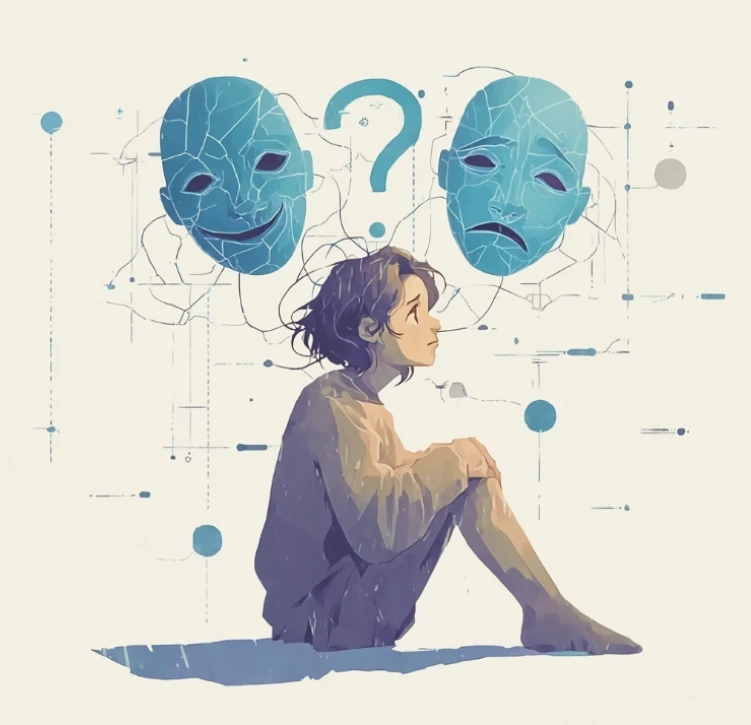
Bipolar Disorder Screening Test (BDST)
The Bipolar Disorder Screening Test (BDST) is an advanced tool for screening bipolar disorder symptoms, developed based on DSM-5-TR criteria. The bipolar test on the E-Sanj website, with completely unique interpretation, examines "mood fluctuations," "depressive and manic episodes," "multiaxial differential diagnosis," "multidimensional symptom analysis," as well as "comparative analyses."
Bipolar Disorder Screening Test (BDST)
Bipolar Disorder Screening Test (BDST)
Please select one of the items
Features
Comprehensive Review of Three Main Components
his section comprehensively and thoroughly examines all three main components of bipolar disorder including mood swings, depression episodes, and mania episodes. For depression, sub-indices of lack of motivation, physical symptoms, depressed mood, suicidal thoughts, and functional impairment are also analyzed.
Overall Mood Episode Assessment
Detailed analysis of your mania, depression, and mixed episodes including episode duration, symptom severity, functional impact, and main symptoms observed in each episode.
DSM-5-TR Based Diagnosis
Probable diagnoses based on the latest version of the diagnostic manual including bipolar disorder types, diagnostic specifiers (mixed, melancholic, psychotic), and professional explanations of each diagnosis.
Differential Diagnosis
Examination of key differences between bipolar disorder and other similar disorders including major depressive disorder, anxiety disorders, ADHD, psychotic disorders, personality disorders, and substance-induced bipolar disorder.
Supplementary Indices
In-depth analysis of treatment prognosis, risk factors, and probable comorbidities including assessment of 10 prognostic factors, 9 risk factors, and examination of probable comorbid disorders such as substance abuse and psychotic disorders.
Etiology Based on Psychological Theories
Analysis of probable causes of your symptoms based on four validated theories including biological theory (neurotransmitters and stress systems), cognitive theory (maladaptive schemas), bio-psycho-social theory (behavioral activation system), and psychodynamic theory (manic defense).
Treatment Considerations and Intervention Plan
Comprehensive treatment plan appropriate to your symptom level including intervention type (levels 1-3), cognitive-behavioral therapy, pharmacological treatment, number of sessions, treatment goals, main techniques, and relapse prevention program.
Comparison with Different Countries
Comparison of your score with clinical and non-clinical groups in 6 different countries (USA, South Korea, Mexico, India, Japan) to understand cultural and international differences.
Educational Resources
Introduction of specialized books, documentaries, and educational podcasts appropriate to your condition for increasing awareness and better understanding of the disorder.
Features
General Bipolar Disorder Results Summary
This section provides your overall test results along with an interpretation of your general condition, including symptom severity, bipolar diagnosis probability, dominant pattern (mixed, mania, depression), and initial explanations of experienced symptoms.
Status Summary
This section provides a summary of your status in key aspects including overall disorder severity, dominant pattern, mood episode duration, functional impairment level, risk index, and initial probable diagnosis presented as specific tags.
Good thing I don't have bipolar, but the test says I'm probably depressed. Plus, I've been super drained and unmotivated lately. :(